Okay, so check this out—I’ve been in the exchange trenches long enough to have a few scars. Wow! The first time I tried to trade futures on OKX I felt equal parts excited and a little dizzy. My instinct said «be careful,» though actually, I dove in because FOMO is a powerful motivator. Seriously? Yes. But there’s a method to doing this without making rookie mistakes that bite later.
Here’s the thing. Logging in sounds trivial. But in crypto, trivial can cost real money. Short sentence. Most problems begin at the login screen—phishing, bad redirects, reused passwords. On one hand those issues are low-tech. On the other hand they lead to high-stakes losses. Initially I thought multi‑step verification was overkill, but then a breach on a different platform taught me better. So, slow down. Verify URLs. Use unique passwords.
When you go to sign in to OKX, do this: pause. Look at the address bar. Make sure you’re on the official site and that the connection is secure. Hmm… I know—sounds obvious. Yet people still paste credentials into shady pop-ups. My rule: never click email links to log in. Instead, type the exchange domain yourself or use a bookmark you created. If something felt off about a page, it usually was. Trust that gut. Also, enable 2FA—Google Authenticator or hardware keys are preferred. Two sentences here. One short one too.
On futures—wow, leverage is seductive. Really? Absolutely. Futures amplify gains and losses. Start small. Use isolated margin for new positions so you don’t lose your whole portfolio on one bad move. Initially I treated margin like free money, and then I learned about liquidation prices the not-so-fun way. Actually, wait—let me rephrase that: plan your position size first, decide risk per trade second, then use leverage that fits those constraints. Hedging tools exist; use them. Practice with test accounts if you can.
Futures on OKX offer cross and isolated margin modes, different contract types (perpetuals vs delivery), and often multiple settlement currencies. Long sentence explaining technical bits that can trip you up: know the difference between funding rates for perpetuals and settlement mechanics for quarterly contracts, since funding can eat your edge on a holding. Oh, and by the way—check maintenance margin levels regularly, they change. Margin calls are real. Don’t assume your collateral is safe just because you haven’t been liquidated yet.
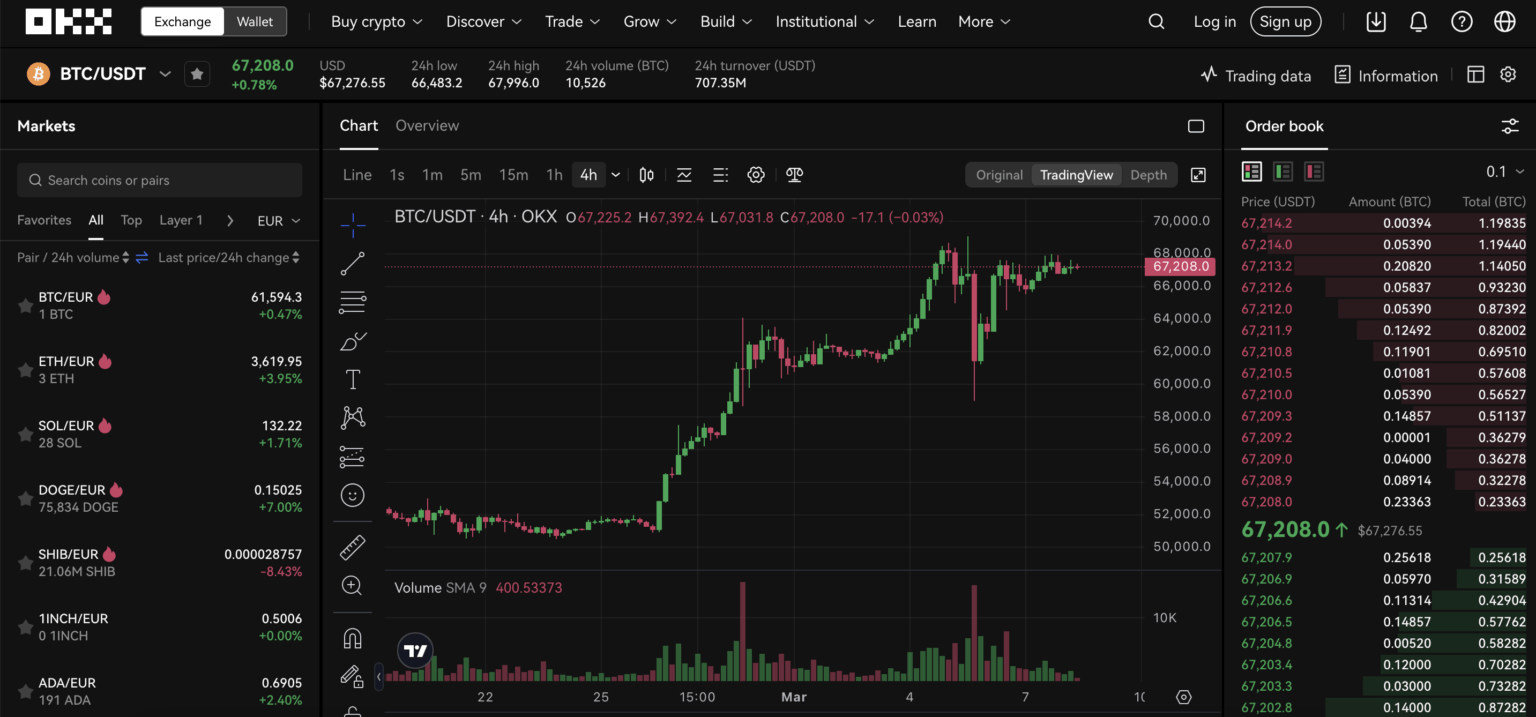
Login tips, a quick walkthrough, and a resource I saved
I’ll be honest—some walkthroughs are dry. This one is practical. If you want a concise step-by-step I keep bookmarked, see https://sites.google.com/cryptowalletextensionus.com/okx-login-web/. That page helped me reorient after a messy browser cache issue once. But remember: always cross-check with the exchange’s official support pages and community channels. Don’t rely on a single guide forever. The web changes fast, and so do phishing tactics.
When linking a wallet for OKX Web3 or connecting via MetaMask, confirm the chain and contract addresses. Short note. For token approvals, use small allowances and revoke them when not needed. On one hand convenience matters; on the other hand unlimited approvals are inviting trouble. My workflow: connect, approve minimal allowance, do the swap/interaction, then revoke or reduce the allowance later. It takes a minute, but that minute saves headaches—ask anyone who’s lost tokens to an approval exploit.
Integrations differ. Some Web3 features on OKX are custodial, some are non-custodial. If you hold assets you truly control, consider hardware wallets and non-custodial flows. If you prefer custodial convenience, understand the tradeoffs—faster, but you trade away some control. I’m biased toward control, but that comes with responsibility: backup seed phrases securely, and treat them like a safe deposit key. Do not store the seed in cloud notes… that’s a recipe for regret.
Risk management for futures deserves a separate heartbeat. Use stop-loss orders tied to sensible levels. Don’t set them too tight—volatile markets can bounce. On the flip side, don’t set them so wide they mean nothing. Scale into positions. Take profits on the way up. Keep an eye on open interest and funding rates as they signal crowding. If funding is steeply negative or positive, the market might be leaning one way—it’s a hint, not gospel.
If you’re exploring OKX’s Web3 marketplace features, or bridging tokens, use reputable bridges and confirm token addresses post-bridge. Bridges can be complex; they add counterparty or smart-contract risk. When uncertain, move small amounts first. Test small. Seriously—test with a tiny transfer before you commit a pile. This is a small extra step, but it’s saved me from somethin’ worse more than once.
Tools I use: hardware key for logins when supported, separate browser profile for trading, password manager for unique credentials, and a simple spreadsheet tracking margin utilization and open positions. Sounds nerdy. It is. It works. Keep records of your trades for taxes and for learning—when a strategy fails, a clean journal helps you not repeat the same mistake.
Common questions traders ask
How do I secure my OKX account?
Enable 2FA, use a strong unique password, bind an authenticator app rather than SMS where possible, and set up withdrawal safelists. Consider a hardware key for an extra layer. Also, confirm any contact from support through official channels before sharing info.
Is trading futures on OKX safe?
Futures are a legitimate product, but «safe» is relative. It’s safe if you understand leverage, margin, and liquidation mechanics. Start small, use risk controls, and never trade money you can’t afford to lose. Learn funding rates and monitor positions actively.
How do I use OKX Web3 features without getting scammed?
Double‑check contract addresses, use minimal allowances, test small transfers, and prefer hardware wallets for significant holdings. Follow community channels and verify official announcements before interacting with new features.